
House Passes Bill Criminalizing Gender-Affirming Care for Minors
The U.S. House of Representatives voted on Wednesday to pass legislation that would criminalize the provision of gender-affirming medical care to minors. The bill, titled the "Protect Children's Innocence Act" and sponsored by Rep. Marjorie Taylor Greene of Georgia, passed with a vote of 216-211. The legislation would classify the provision of gender-affirming treatments such as surgeries and puberty blockers to minors as a class C felony, subjecting healthcare providers to potential prison sentences of up to ten years.
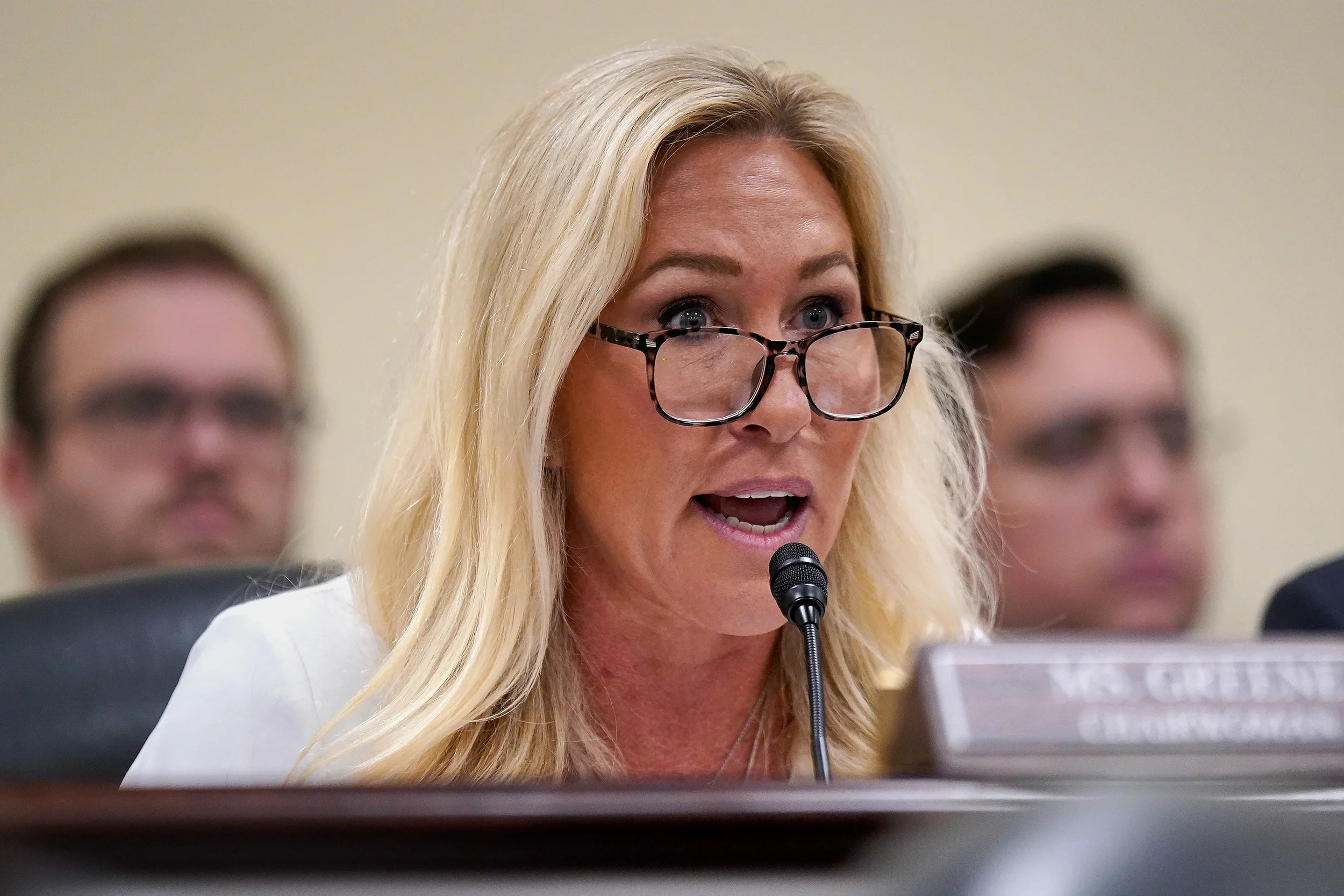
Marjorie Taylor Greene / File
Rep. Greene secured floor consideration of the bill as part of a negotiated agreement with House leadership, wherein she agreed to withdraw her opposition to advancing a critical defense policy bill in exchange for a vote on her gender-affirming care legislation. The vote breakdown revealed significant fractures within both parties: three Democratic representatives voted in support of the measure, while four Republican representatives voted against it.
The legislation specifically targets medical professionals who administer gender-affirming treatments to patients under the age of eighteen. The bill does not distinguish between different types of treatments or medical circumstances, establishing a broad criminalization framework that would apply across all gender-affirming interventions for minors. Legal experts anticipate substantial constitutional challenges should the bill become law, as it raises significant questions regarding medical autonomy, parental rights, and the appropriate role of government in healthcare decisions.
The Senate's response to the House legislation remains uncertain. The GOP-controlled Senate has not indicated whether it will take up the measure, though analysts assess that passage through that chamber would be unlikely, as the bill would require substantial Democratic support to reach the 60-vote threshold typically needed for major legislation. The political dynamics in the Senate differ significantly from the House, where the Republican majority was sufficient to pass the bill with minimal Democratic support.
A companion bill sponsored by GOP Rep. Dan Crenshaw of Texas prohibits federal Medicaid funding for gender transition procedures administered to minors. The House is scheduled to vote on the Crenshaw bill on Thursday. The two bills represent a coordinated legislative push to restrict access to gender-affirming medical care through both criminal penalties and funding restrictions.
Civil rights organizations, including the American Civil Liberties Union, have characterized the Greene bill as the most extreme anti-transgender legislation ever brought before Congress. Medical organizations including the American Medical Association have historically opposed such restrictions, citing established medical standards of care and the importance of individualized treatment decisions made in consultation with patients, families, and qualified medical professionals.
Democratic members of Congress, particularly those representing progressive constituencies, have opposed the legislation. Rep. Sarah McBride of Delaware, who serves as the first out transgender member of Congress, emerged as a vocal opponent of both bills. McBride emphasized that Republicans were attempting to politicize healthcare decisions and that the obsessive focus on transgender issues represented an extreme position disconnected from the concerns of ordinary Americans. McBride stressed that healthcare policy should not be subject to partisan political manipulation and that transgender youth deserved access to evidence-based medical care determined through consultation with their families and healthcare providers.
The passage of the Greene bill in the House represents a significant escalation in congressional efforts to restrict transgender rights and medical autonomy. Advocates for LGBTQ rights have warned that criminalization of medical providers could create a chilling effect on healthcare delivery, forcing medical professionals to choose between following their professional standards of care or facing criminal prosecution. The legislation also raises concerns about its potential impact on state-level healthcare policies and the trajectory of federal legislation regarding transgender healthcare access.