
Etihad Airways Crowned World's Safest Airline as Air New Zealand Drops from Top Position
Etihad Airways has claimed the title of the world’s safest airline for the first time in the 2026 AirlineRatings.com safety rankings, ending Air New Zealand’s run at number one. The Abu Dhabi-based carrier’s rise was attributed to a mix of strengths, including a relatively young fleet, advanced cockpit safety systems with a strong focus on turbulence prevention, a crash-free operational history, and the lowest incident rate per flight among airlines assessed.
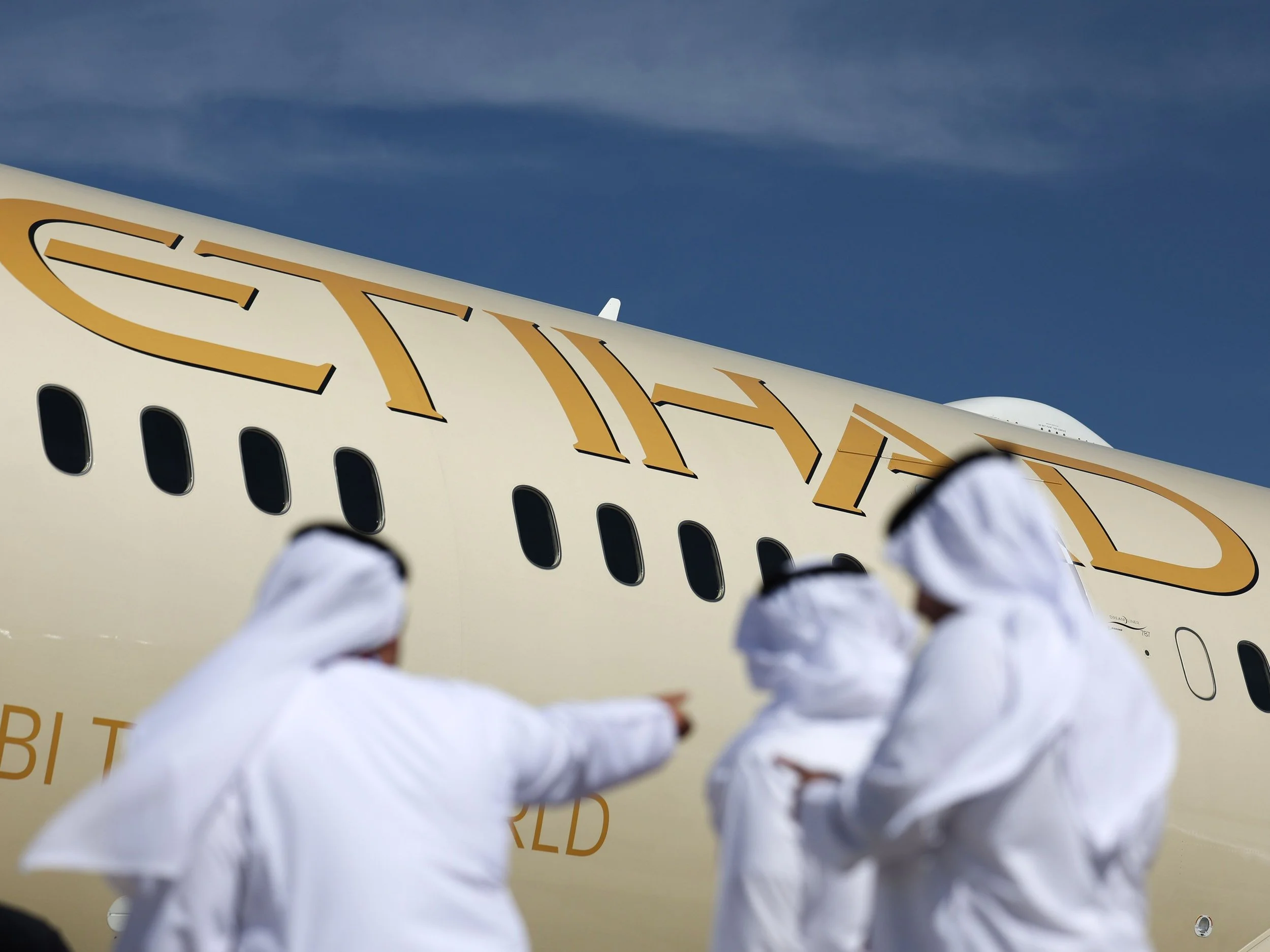
Etihad Airways / File
AirlineRatings.com’s safety assessment is based on multiple measures rather than a single headline statistic. It considers factors such as fleet age and renewal profile, the frequency and severity of recorded incidents, pilot training standards and recurrent checks, and performance in recognised international safety audits. The methodology aims to distinguish between routine operational events and more serious safety-related occurrences, weighting the latter more heavily. In 2026, the scoring also placed increased emphasis on how airlines prevent and manage turbulence, reflecting industry data that turbulence remains the leading cause of in-flight injuries globally.
A defining change in this year’s evaluation was that added focus on turbulence prevention and management. Etihad reportedly stood out across both cockpit and cabin procedures, earning particular recognition for consistent adherence to turbulence protocols, including proactive avoidance strategies and coordinated crew responses designed to reduce passenger and staff injuries.
The 2026 results also mark a clear shift from the prior year’s standings, where Air New Zealand held the top spot. While Air New Zealand dropped to sixth in 2026, the gap at the very top was extremely small. Only 1.3 points separated Etihad and Air New Zealand across all categories, suggesting the change reflects fine margins in scoring rather than a dramatic divergence in overall safety performance. The tight clustering also highlights how leading carriers are increasingly operating within a narrow band of top-tier safety outcomes.
The competitiveness was even more apparent across the top tier, with just 1.3 points separating positions one through six among leading full-service carriers. Cathay Pacific took second place overall, with Qantas in third. The rest of the top ten included Qatar Airways, Emirates, Singapore Airlines, EVA Air, Virgin Australia, and Korean Air.
Those shrinking point differences have fuelled debate about whether traditional numerical rankings are the best way to represent airline safety at the elite level. Industry observers noted that fewer than four points separated positions one through fourteen overall, raising the idea that future reports may be clearer if they group airlines into performance tiers rather than implying large gaps through a strict 1–14 order.