
Dangerous Mosquito-Borne Virus Confirmed in Regional Victoria for First Time This Summer Season
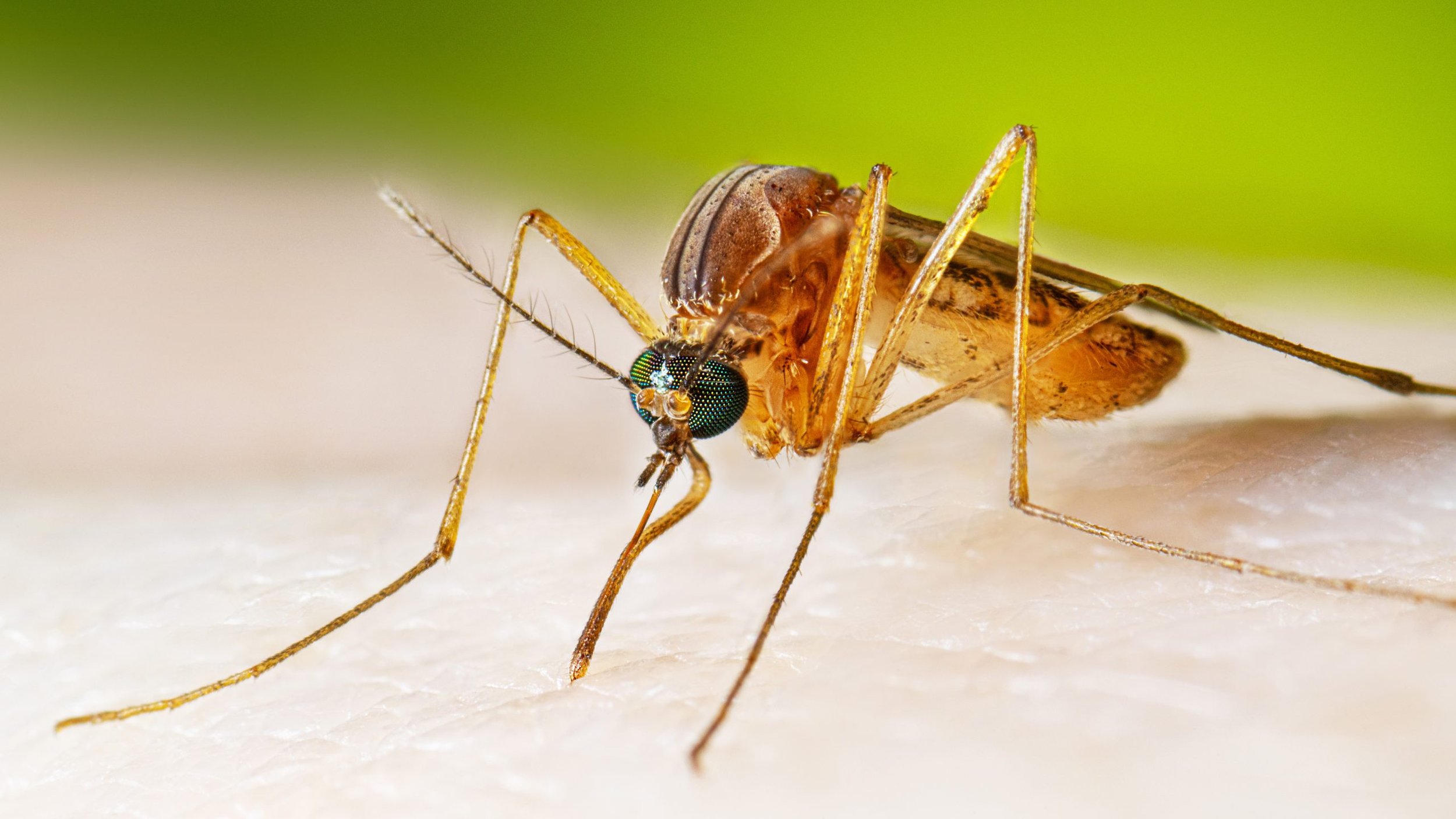
Health authorities have confirmed the presence of Japanese encephalitis virus in mosquitoes within a regional municipality located approximately 300 kilometres northwest of the state capital, marking the first detection of the pathogen in the region this summer.
The virus was identified in a mosquito monitoring trap operating within the Horsham local government area as part of an ongoing surveillance programme designed to identify emerging disease threats. The discovery represents a significant public health alert for residents and visitors to the affected region.
Japanese encephalitis has maintained a presence in the Australian landscape since a substantial outbreak in 2022 that resulted in dozens of confirmed cases and six deaths across multiple states. Subsequent sporadic detections have continued to emerge in eastern regions, including a documented case in Brisbane earlier this year.
While many infected individuals experience no symptoms or only mild illness, the virus poses serious risks for vulnerable populations. Health department assessments indicate that approximately one in 250 infections can escalate to severe brain inflammation conditions that may prove fatal.
The chief health officer for the state emphasised the critical importance of early detection in alerting communities where residents spend extended periods outdoors during the warmer months. "A free Japanese encephalitis vaccine is available for eligible people due to their increased risk of exposure," she stated, urging vaccination uptake among those at heightened risk.
She further clarified risk categories: "Anyone can be bitten by mosquitoes, but people living, working or spending time outdoors in northern Victoria — especially near rivers — may be at higher risk. The best protection is to avoid mosquito bites."
Health authorities emphasise that mosquito-borne illnesses of this type, while potentially serious, remain largely preventable through practical protective measures including repellent application, appropriate clothing, and environmental mosquito control around residential properties.
Local government authorities are collaborating with health departments to identify and treat mosquito breeding sites throughout the affected region. Treatment of stagnant water sources where mosquitoes reproduce is a primary intervention strategy to reduce vector populations.
The health department has issued comprehensive guidance for public protection. Residents are encouraged to adopt protective clothing strategies, applying long, loose-fitting garments in light colours when spending time outdoors. Insect repellents containing specific active ingredients such as picaridin or DEET provide additional defence against bites.
Behavioural modifications also contribute to risk reduction. Health authorities recommend limiting outdoor exposure during peak mosquito activity periods, particularly during early morning and evening hours when vector populations are most active. Removing standing water sources around residential properties eliminates breeding habitat.
Vaccination represents a significant protective strategy. Health officials indicate that booster vaccination may be recommended on a schedule of every one to two years following completion of an initial vaccination course. Residents should consult healthcare providers, local government representatives, Aboriginal health services, or community pharmacy staff regarding vaccine eligibility and administration.
The detection in this regional location underscores the expanding geographic range of vector-borne pathogens and the importance of sustained surveillance and community awareness during summer months when outdoor activity increases and mosquito populations peak.