
Auckland Video Game Company Removes Māori Carvings After Cultural Appropriation Accusations
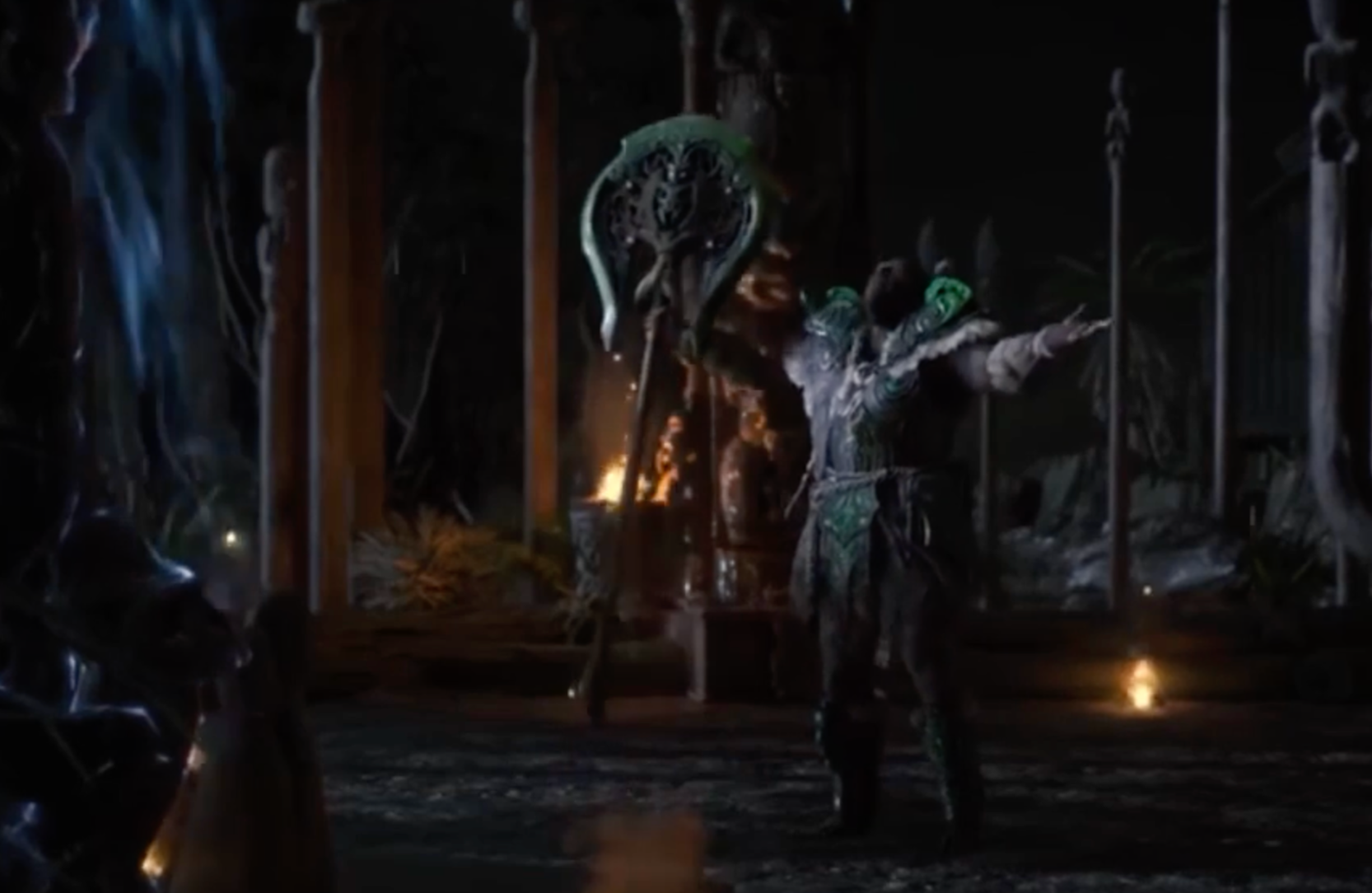
Path of Exile 2, a fantasy role-playing game developed by Auckland-based Grinding Gear Games, has agreed to remove Māori carvings from its game following accusations that the company had directly copied real cultural artifacts without permission. An investigation by Dr Johnson Witehira, Professor of Toi Hangarau at Massey University, identified multiple instances where in-game carvings appeared to be taken directly from real taonga, with some pieces lifted entirely while others had been cut apart and reassembled into new forms.
Witehira conducted a month-long review of how Māori visual culture was incorporated into Path of Exile 2 and published his findings on LinkedIn, including side-by-side comparisons demonstrating the similarities between real-world carvings and those appearing in the game. The investigation revealed that several in-game carvings were derived from taonga that were publicly available through collections including the British Museum's online archives. Witehira documented that the pattern of extraction was consistent enough to suggest deliberate appropriation rather than incidental reference or coincidental similarity.
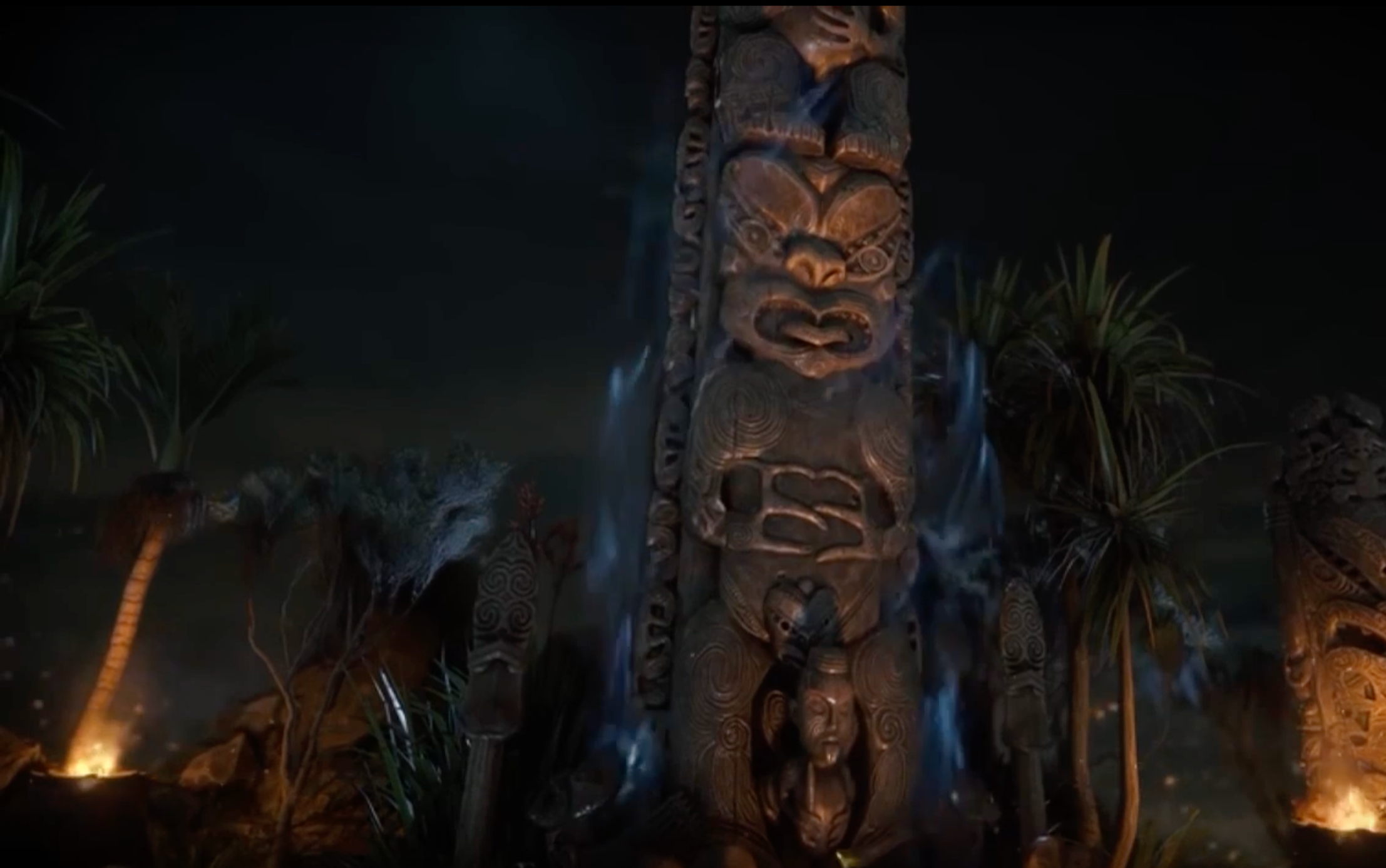
One notable example identified by Witehira involved work by Lyonel Grant, a leading contemporary carver whose piece stands at Auckland Zoo. Grant's work had been reproduced as decoration within the game's fantasy environment without his knowledge or consent. Witehira emphasized that when real taonga are appropriated and repurposed in this manner, the meaning is stripped away, the whakapapa is removed, and cultural erasure occurs. Additional examples identified in the investigation were drawn from carvings created by different iwi and hapū across New Zealand.
Grant confirmed to media outlets that he had not been asked for permission to use his work in the game and that instances of his work being plagiarized, copied, mimicked, and appropriated had occurred repeatedly throughout his career. Grant indicated that the digital age had made such appropriation increasingly common, though he expressed concern that his work had been appropriated as decoration in a commercial virtual reality game potentially generating substantial revenue without his involvement or consent.
Upon being alerted to the accusations earlier this month, NZ On Air raised the matter with Grinding Gear Games, as the company had benefited from the Game Development Sector Rebate, a government initiative offering a 20 percent refund on approved expenses for eligible game development businesses, capped at three million dollars annually. Grinding Gear Games had received GDSR rebates in both 2024 and 2025, though the specific amounts remain confidential.
In response to Witehira's direct communication regarding his concerns, a manager at Grinding Gear Games acknowledged that the company had conducted an audit of its content and identified various pieces of art that should not have been used. The company attributed the inappropriate use of the imagery to a former employee who had not followed the company's established process for checking the provenance of art being incorporated into game design. Grinding Gear Games committed to removing the identified elements in an update scheduled for December 13, following which new artwork would be conceived to replace the appropriated imagery.
Chantelle Cole, director of the GDSR programme at NZ On Air, confirmed that the agency had raised the matter with Grinding Gear Games immediately upon being alerted and that the company indicated it was taking the situation seriously and responding to the concerns. Cole stated that NZ On Air recognized the importance of respecting and upholding Māori rights to determine how their cultural knowledge, expressions, and taonga were used. However, she noted that as the GDSR was a rebate on business expenses rather than a direct commission, NZ On Air did not commission or direct game content and therefore had no editorial or cultural oversight of the games receiving rebates. Cole indicated that NZ On Air supported industry-led initiatives to embed proper processes around the use of Māori taonga.
Anna Barham, chair of the New Zealand Game Developers Association, stated that cultural sensitivity should be observed when creating games. Barham noted that GDSR terms of trade included requirements that businesses obtain all necessary rights, licenses, and consents for game development work, including consultation with tangata whenua and artists. Developers could access assistance connecting with cultural advisors through the developers association or NZ On Air. Barham expressed satisfaction that the situation had been resolved relatively quickly.
Witehira argued in his analysis that Path of Exile 2 demonstrated appropriation rather than inspiration in its use of Māori cultural elements. He contrasted the game's approach with the film Avatar, which Witehira characterized as an example of a creative work drawing on cultural inspiration to create an alien world while maintaining respect for cultural integrity. In Path of Exile 2, Māori motifs and language had been used to create an invented tribe that appeared Māori but was not authentically Māori, with the tikanga and cultural responsibilities not being carried through in the game's design and implementation.
The incident highlights ongoing tensions between commercial entertainment companies and indigenous cultural protection, demonstrating both the vulnerability of Māori cultural artifacts to appropriation and the potential for corrective action when appropriation is identified and challenged by cultural experts and community advocates.