
CROWN RETURNS 3000+ HECTARES TO SOUTH ISLAND MĀORI IN LANDMARK LAND SETTLEMENT
After nearly two centuries of broken promises and more than a decade and a half of legal battles, South Island Māori landowners have secured the return of over 3000 hectares of land from the Crown in a major settlement agreement.
The dispute traces back to the 1830s when the Crown negotiated with Māori in Te Tauihu to purchase 151,100 acres of land from the New Zealand Company. As part of that agreement, the Crown committed to allowing Māori to retain one tenth of the land sold. This never happened. Instead, Māori received fewer than 3000 acres—a fraction of what they were contractually owed.
The Crown's failure to uphold this century-old deal set the stage for one of New Zealand's longest-running property disputes. In 2017, the Supreme Court ruled that the government held a legal obligation to honour the original agreement. For years after that judgment, attempts to resolve the matter through negotiation stalled. It wasn't until this week that a breakthrough finally materialized.
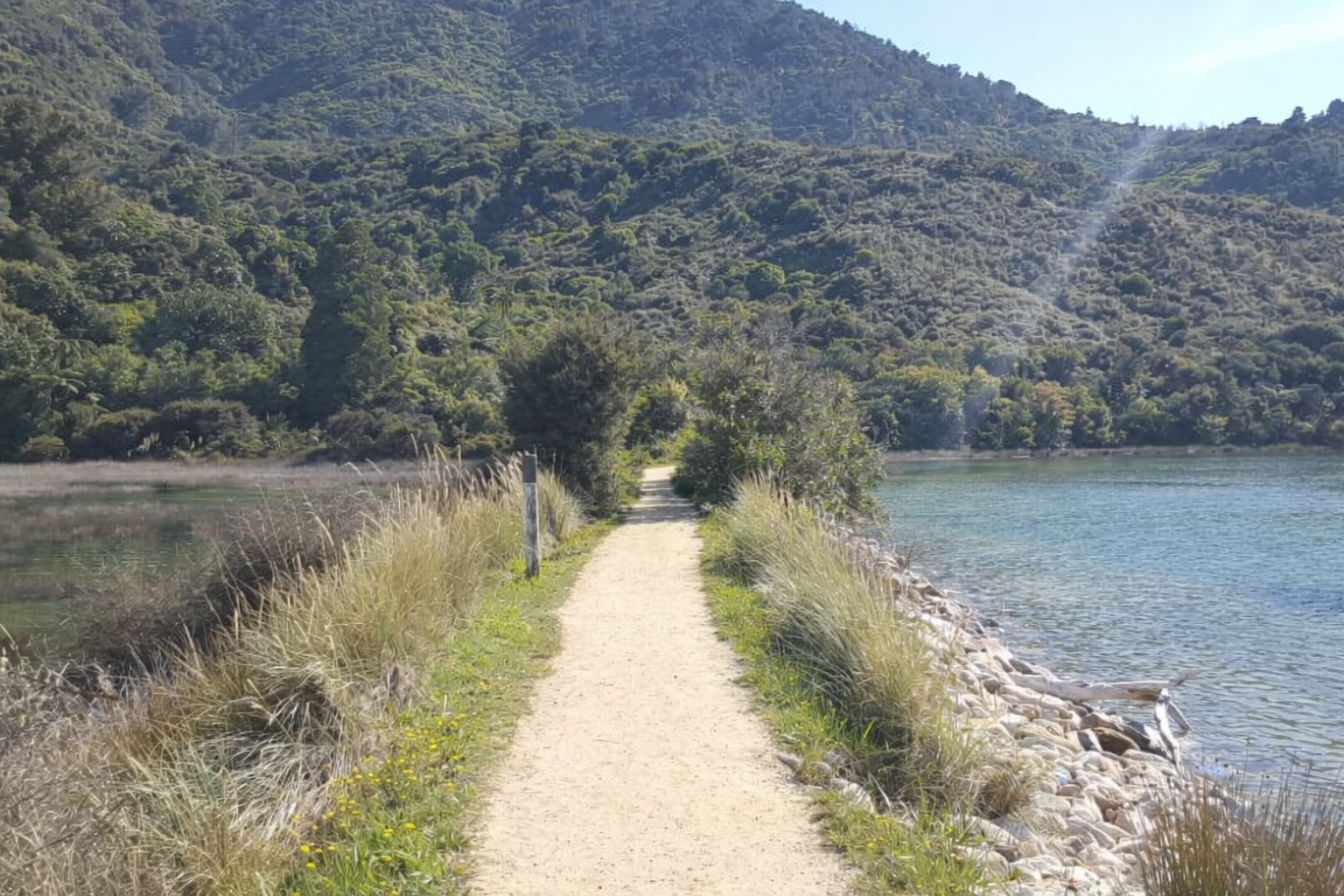
The Abel Tasman Great Walk is located on land that will be returned.
Attorney-General Judith Collins and Conservation Minister Tama Potaka announced the agreement on Wednesday in Wellington. The Crown will return 3,068 hectares to descendants of the original landowners, including the Kaiteriteri Recreation Reserve and the Abel Tasman Great Walk—some of New Zealand's most beloved outdoor destinations. Beyond the land transfer, the Crown will provide $420 million in compensation to account for land that has been sold since 1839 and to recognise lost earnings and land use opportunities.
The deal preserves public access to these significant areas. The Department of Conservation worked with the owners to ensure that visitors, tourism operators, and local communities will continue to enjoy uninterrupted access to the Great Walk, recreation reserves, and conservation areas. The Crown retains the ability to lease certain parcels where government agencies currently operate essential services like roads, schools, and conservation programs.
This settlement brings closure to litigation that began in 2010 when Kaumātua Rore Stafford initiated legal action on behalf of ngā uri—the descendants of ancestors named in the 1893 Native Land Court list and specific Kurahaupō lineages. His decades-long fight for justice has now resulted in this historic milestone.
The agreement represents more than just a legal resolution. It acknowledges the sustained injustice imposed on the customary landowners, who were denied use of their property for generations. The settlement upholds the rule of law and property rights principles that apply across all New Zealand, while simultaneously healing deep generational rifts within the Te Tauihu region. Prime Minister Christopher Luxon recognised the patience and pragmatism shown by those representing the customary landowners throughout the negotiation process, commending both the Crown's legal team and coalition partners for their commitment to reaching this resolution.
For Kerensa Johnston, the project lead for Te Here-ā-Nuku (Making the Tenths Whole), the agreement transforms longstanding uncertainty into concrete progress. The settlement now allows the region and its whānau to redirect their energy toward building shared wellbeing and prosperity—goals that aligned with the original intent of the 1839 Nelson Tenths agreement itself.