
Government Cuts Total Mobility Subsidy from 75% to 65% for 120,000 Disabled and Elderly New Zealanders
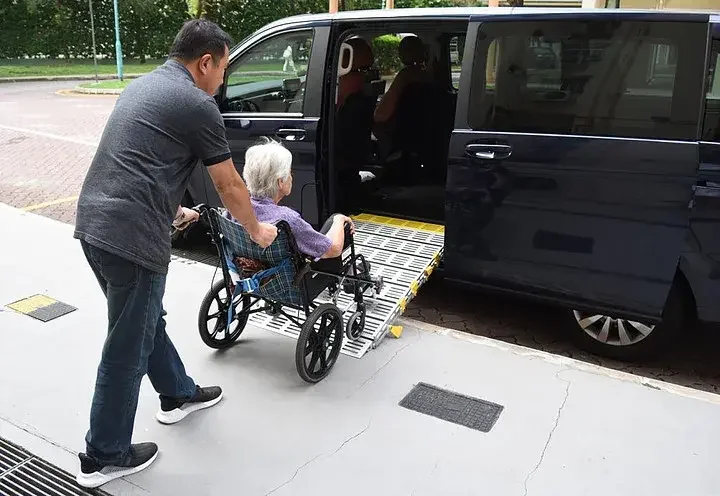
The New Zealand government has announced a reduction in the Total Mobility subsidy from 75 percent to 65 percent effective July 1, 2026, affecting over 120,000 disabled and elderly New Zealanders registered in the scheme. The subsidy cut will result in increased taxi fares for vulnerable citizens, with regional fare caps also being lowered by approximately 10 percent.
Transport Minister Chris Bishop attributed the subsidy reduction to unsustainable rising costs within the scheme. The government announced the changes as part of decisions designed to stabilise the Total Mobility scheme so that the disability community is supported in a financially sustainable manner by all funding partners, including central government, the NZTA's National Land Transport Fund, and local councils.
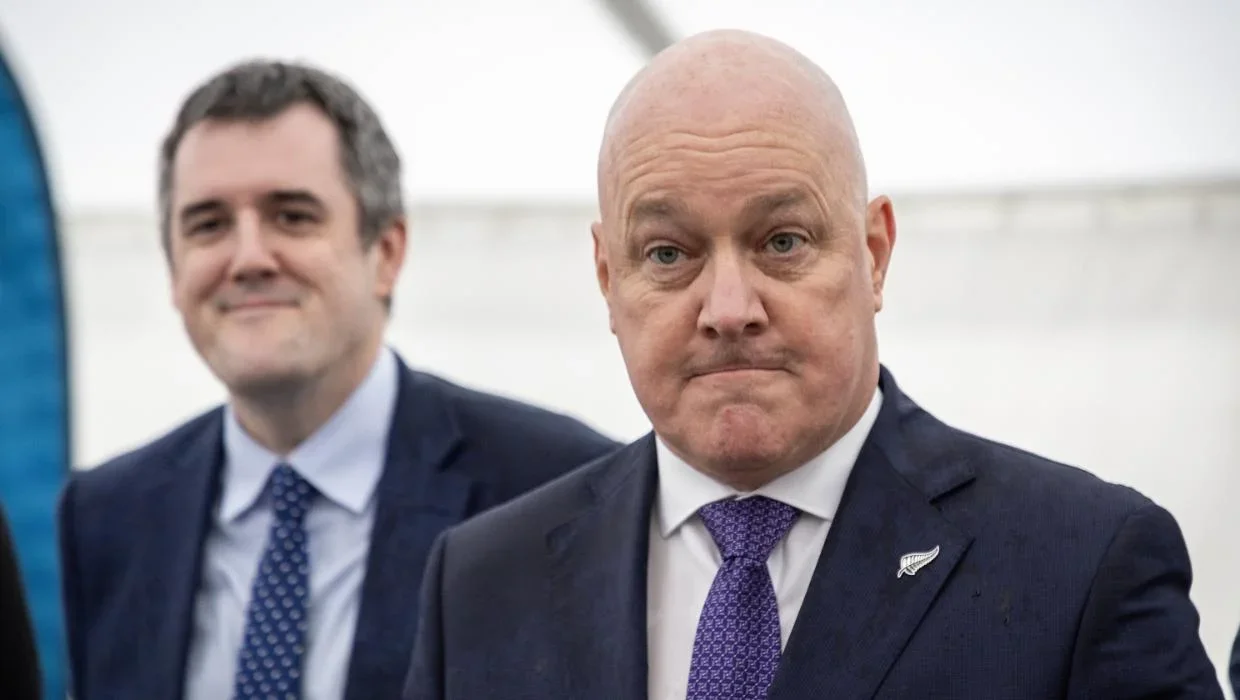
Christopher Luxon & Chris Bishop earlier in the year
Disability Issues Minister Louise Upston stated that the new subsidy level would still be higher than levels that existed four years prior to 2022, when the previous government raised the subsidy from 50 percent. Upston acknowledged that the changes would mean fares would increase for Total Mobility users but stated they would still receive a higher subsidy level than pre-2022. The minister emphasised that the changes provide certainty that those requiring the service will have continued access.
Demand for the scheme has surged dramatically since the subsidy increase in 2022. Registered users have jumped from 108,000 to 120,000, while the number of trips has risen from 1.8 million in 2018 to 3 million annually. Bishop stated that the 2022 subsidy increase had not accounted for higher demand growth over time. The increased demand has positioned the scheme close to exceeding its Crown funding and is placing significant pressure on contributions from local councils and NZTA.
The government estimates that costs are forecast to exceed funding by $236 million between 2025 and 2030 under current settings. To ease funding pressures on public transport authorities until changes take effect, the government will provide $10 million to NZTA.
The Total Mobility scheme provides subsidised taxi fares for people who cannot use public transport independently due to disability or age. The scheme is jointly funded by central government, NZTA's National Land Transport Fund, and local councils.
Alongside the subsidy cut, the Ministry of Transport has opened consultation on wide-ranging proposals including trip caps, stricter eligibility assessments, and expansion of service providers beyond traditional taxis. These proposals include options such as ride-hail applications and on-demand public transport services. The proposals are open for public feedback until March 22, 2026, and represent potential future changes to the scheme's structure.
Proposed trip cap options include a flat monthly cap of 30 to 40 trips at 65 percent subsidy with either no further subsidised trips or a reduced 50 percent subsidy once reached. An alternative proposal would allocate 10 base trips plus extras based on individual need for employment, health, or education purposes.
The ministry proposed tightening eligibility requirements to include medical evidence from health practitioners, occupational therapists, or psychologists when applying. Currently, assessment standards vary with no documentary evidence required. Periodic reassessments would be introduced under another proposal, requiring users to be re-evaluated after set periods to ensure continued eligibility.
Proposals also aim to expand service providers beyond traditional taxis to include ride-hail applications, on-demand public transport services, and volunteer community transport providers. The ministry stated this expansion could increase availability and provide users with more options. The ministry is also exploring improvements to wheelchair accessibility through higher funding for installing ramps and hoists in vehicles and raising the $10 per wheelchair trip payment that has remained unchanged since 2005.
The ministry is also exploring a national public transport concession for people with disabilities separate from Total Mobility, to be implemented through the National Ticketing Solution from 2027.
Labour Party disability issues spokesperson Priyanca Radhakrishnan criticised the subsidy changes, stating the government was making life harder and more expensive for disabled New Zealanders by slashing discounted transport fares during a cost-of-living crisis. Radhakrishnan stated that under the current government, disabled Kiwis would now pay more to get to work, attend health appointments, or see loved ones. She noted that disability communities feel betrayed following overnight cuts to flexible funding, restrictions on residential care, the gutting of Whaikaha agency, and the shift of disability support to the Social Development Ministry.
Radhakrishnan emphasised that for many disabled Kiwis, affordable transport represents a lifeline enabling independence, dignity, and participation in everyday life. She stated that the Labour government had increased the subsidy to support these values and that the current change represents a backward step in government policy toward disabled New Zealanders.